Millions of Americans have sleep apnea and don’t know it. They blame their tiredness on stress, busy schedules, or just getting older. They assume snoring is normal. They’ve never considered that something more serious might be going on.
At North Dental Professionals, with offices in both Chicago and Skokie, Dr. Paul Chaiken helps patients recognize the signs of sleep apnea and find treatment that actually works. Here are five signs you shouldn’t ignore.
1. You Snore Loudly and Consistently
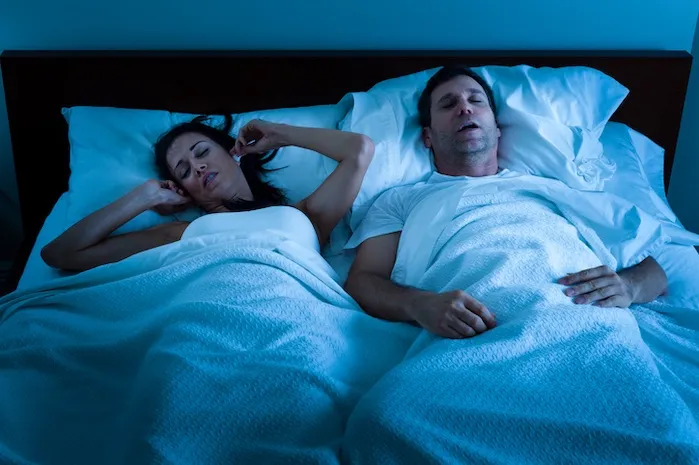
Not everyone who snores has sleep apnea. But loud, chronic snoring is one of the most common warning signs. If your partner has moved to another room because of your snoring, that’s a clue worth noticing.
The key word is “consistently.” Occasional snoring after a glass of wine or when you’re congested is normal. Snoring every night, loud enough to wake someone else, is not.
2. You Wake Up Feeling Tired
You slept eight hours. Maybe even nine. But you wake up feeling like you barely slept. Your head is foggy. You’re irritable. You need coffee just to function.
This is one of the most telling signs of sleep apnea. When your breathing stops during sleep, your brain wakes you up, just enough to restart breathing. This can happen dozens or even hundreds of times per night. You don’t remember these awakenings, but your body does.
The result is a night of broken sleep that never lets you reach the deep, restorative stages.
3. You Have Morning Headaches or a Dry Mouth
Sleep apnea often causes morning headaches. These are usually dull and pressure-like, located in the front of your head or around your temples. They happen because your brain isn’t getting enough oxygen during the night.
Dry mouth is another clue. When you sleep with your mouth open, often because you’re struggling to breathe through your nose, your mouth becomes dry and uncomfortable.
4. You Feel Sleepy During the Day
Do you struggle to stay awake during meetings? Do you nod off while watching TV or feel dangerously sleepy while driving?
Excessive daytime sleepiness is one of the most serious signs of sleep apnea. It’s not just inconvenient. It’s a safety risk.
5. You’ve Been Told You Gasp or Choke in Your Sleep
This is perhaps the most alarming sign. If someone has told you they’ve heard you gasp, choke, or stop breathing during sleep, take it seriously. This is a classic sign of obstructive sleep apnea and warrants prompt evaluation.
Why a Dentist Can Help
Why talk to a dentist about sleep apnea? Your jaw and airway are closely connected. Dr. Chaiken has extensive training in treating bite problems and TMJ disorders. That training gives him a deep understanding of how jaw position affects your airway. When your jaw sits too far back, it can narrow your airway and worsen sleep apnea.
We can screen for sleep apnea right in our office. If we suspect it, we’ll refer you for a sleep test, often a simple home test. Once we confirm sleep apnea, we can create a custom oral appliance that holds your jaw forward and keeps your airway open.
It’s quiet. It’s portable. And it’s much easier to stick with than a CPAP machine.
Don’t Ignore the Signs
Sleep apnea doesn’t just affect your sleep. It’s linked to high blood pressure, heart disease, stroke, and diabetes. Getting treated isn’t just about feeling better. It’s about protecting your health. If any of these signs sound familiar, please call us. We’ll listen, answer your questions, and help you find a solution.
Call North Dental Professionals in Chicago or Skokie today, or request an appointment online. Better sleep could change everything