
Are you struggling to get a good night’s sleep? Sleep apnea could be the culprit. Don’t let this sleep disorder deprive you of the rest you deserve and compromise your overall health. At North Dental Professionals, Dr. Paul Chaiken provides modern treatments for snoring and sleep apnea in Chicago and Skokie, IL.
For patients who experience tooth damage from related grinding or clenching, restorative dentistry can help repair and protect their smile. Regain control of your sleep and breathe easy once again. We welcome you to contact us today to schedule a consultation with our experienced dentists.

What is Sleep Apnea?
Sleep apnea disrupts your peaceful slumber with frequent breathing pauses during the night. Common types of sleep apnea include obstructive sleep apnea (OSA) and central sleep apnea (CSA). OSA occurs when the throat muscles relax, blocking your airway. You have CSA when your brain doesn’t send the right signals to control breathing.
If sleep apnea goes untreated, it can lead to serious health problems over time. The repeated drops in oxygen levels and poor sleep quality put extra stress on your body.
Many patients with sleep disorders are at an increased risk of heart disease, high blood pressure, and liver problems.
Common Signs of Sleep Apnea in Chicago, IL
Don’t ignore the signs of sleep apnea; they may be more prevalent than you think. Call our office if you notice these symptoms of sleep apnea:
- Extreme daytime drowsiness
- Mood swings
- Difficulty staying asleep
- Chronic snoring
- Choking or snorting sounds when asleep
- Waking up with a dry or sore throat
- Morning headaches
Catching sleep apnea early can lead to faster treatment and better sleep. You must talk to a doctor if you or someone you know has these symptoms. Sleep apnea can lead to serious health problems if left untreated.
Do I Have Sleep Apnea if I Snore?
Snoring doesn’t always mean you have sleep apnea, but it can be a warning sign. Many people snore without having sleep apnea if they’re congested or sleeping on their back. However, loud and frequent snoring could mean something more serious.
Normal snoring is usually steady and doesn’t disrupt sleep much. You might snore some nights but not others. Sleep apnea snoring is often loud and irregular, with pauses in breathing followed by snorts or gasps. You may wake up feeling tired even after a full night’s sleep.
Patient Review
Risk Factors for Sleep Apnea
Knowing the risk factors can help you understand if you or someone you know might be more likely to develop it.
Obesity
Carrying extra weight, especially around the neck, is one of the most common causes of sleep apnea. Fat deposits around the upper airway can make breathing harder at night. Even a small amount of weight gain can increase the risk, while losing weight may help improve symptoms.
Family History
If sleep apnea runs in your family, your risk of developing it is higher. This could be due to inherited traits like the shape of your jaw or airway. Talking to Dr. Chaiken about your family’s health history can help assess your risk and decide if you need further testing.
Smoking
People who smoke are more likely to develop sleep apnea. Smoking causes swelling and irritation in the throat, which can narrow the airway. It also leads to fluid retention in the upper airway, worsening breathing problems. Quitting smoking can reduce these risks and improve overall health.
Age
While sleep apnea can occur at any age, it becomes more common as people age. The throat muscles naturally weaken over time, allowing the airway to collapse more easily during sleep. Older adults should pay extra attention to symptoms like loud snoring or daytime tiredness.
How is Sleep Apnea Related to TMJ?
Sleep apnea and TMJ (temporomandibular joint) disorders are often related because they both involve problems with the jaw and airway. When someone has sleep apnea, their airway gets blocked during sleep, which can cause them to clench their jaw or grind their teeth. This extra stress on the jaw muscles and joints can lead to TMJ pain and stiffness.
TMJ disorders can sometimes make sleep apnea worse. If the jaw is misaligned or doesn’t move properly, it can narrow the airway. Oral appliances for sleep apnea reposition the jaw to keep the airway open, which may relieve TMJ discomfort.
Sleep Apnea Treatment in Chicago, IL
At North Dental Professionals, Dr. Paul Chaiken offers a comprehensive approach to treating sleep apnea. He will create a customized treatment plan based on your needs and identify the most appropriate and effective treatment for you. Collaboration with sleep specialists is part of the process.
Diagnosing sleep apnea requires the expertise of a sleep physician. But don’t forget to involve our caring dentists in the process. We encourage you to talk to both our team and your physician if you suspect sleep apnea is affecting your well-being.
Sleep Testing
We will first recommend a sleep test for proper diagnosis. You can get an in-office or at-home sleep test. Both methods provide valuable information about your breathing patterns during sleep.
Night guard
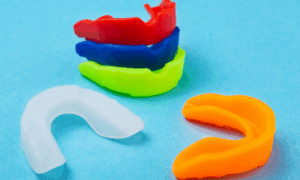 If you have mild to moderate sleep problems, Dr. Chaiken may recommend night guards as part of your treatment plan. These are special dental devices made specifically for your mouth that you wear while sleeping. The night guard gently positions your jaw to help maintain an open airway throughout the night.
Custom sleep appliances are a great alternative to CPAP machines. Many patients find CPAP machines bulky and loud. While these machines help patients with sleep apnea breathe, they can be uncomfortable to use.
An oral appliance is small and portable. We also customize your appliance to fit your mouth. Dr. Chaiken will take digital impressions to create your custom night guard. Once complete, you will return to our office for a fitting.
This integrated approach ensures that patients receive the highest quality of care. Follow-up care and monitoring are crucial parts of sleep apnea treatment in our Chicago, IL, office. Regular check-ups help monitor progress and make any necessary adjustments to the treatment plan.
Frequently Asked Questions
How do I know if I need an oral appliance instead of CPAP?
Oral appliances are recommended for patients with mild-to-moderate obstructive sleep apnea and for patients with severe OSA who cannot tolerate CPAP. Dr. Chaiken will review your sleep study results with you and help you understand which treatment option is best for your specific situation.
Is oral appliance therapy covered by insurance?
Many dental and medical insurance plans cover oral appliance therapy when prescribed for sleep apnea. Coverage varies by plan. Our team will help you understand your benefits and maximize your coverage.
Does an oral appliance hurt?
Most patients adjust to their oral appliance within a few days. You may experience mild soreness or increased saliva flow initially, but these symptoms typically resolve quickly. Dr. Chaiken makes adjustments as needed to ensure your comfort.
How long does an oral appliance last?
With proper care, a well-maintained oral appliance can last 3 to 5 years or longer. Dr. Chaiken will check your appliance during regular follow-up appointments and recommend replacement when needed.
Can oral appliances help with snoring even if I don’t have sleep apnea?
Yes. Mandibular advancement devices are also highly effective for treating primary snoring that occurs without apnea events. If you snore loudly but your sleep study shows no breathing interruptions, an oral appliance may still be the perfect solution for you and your bed partner.
Is there a connection between teeth grinding and sleep apnea?
Yes. Sleep bruxism (teeth grinding) is frequently observed in patients with sleep-disordered breathing. Current clinical understanding suggests that bruxism may serve as a protective mechanism, or the body’s way of reopening the airway during sleep. If you grind your teeth, it’s worth discussing sleep apnea screening with Dr. Chaiken.
Awaken to a New Beginning
Don’t let sleep apnea steal another restful night from you. Take charge of your sleep and health. Get comfortable treatment for sleep apnea in our Chicago, IL, and Skokie, IL, dental offices today.
Call 708-274-4192 or request an appointment in Chicago with Dr. Chaiken online. You can also call our Skokie dental office at 224-267-8083 or request an appointment in Skokie on our website. We provide family dentistry to the greater Chicago area, including local communities throughout the region.
Experience the transformation as our dedicated team at North Dental Professionals helps you sleep better.