
If you’ve lived in Chicago for more than a year, you know the weather doesn’t do anything halfway. It’s 65 degrees in October and snowing by Halloween. It’s 95 degrees in July with 80 percent humidity, and then a cold front moves in and drops it 30 degrees overnight. The lake effect does its own thing. The wind chill is a separate language.
You probably know what that does to your skin, your sinuses, and your mood. It’s also hard on your teeth.
At North Dental Professionals, we see the same patterns every year. Winter brings a wave of cracked teeth, loose crowns, and sudden sensitivity. Summer brings its own set of problems, and the transitions between seasons are when we see the most damage.
Dr. Paul Chaiken has been practicing in Chicago for more than 30 years. He’s placed thousands of dental crowns in Chicago. He’s seen what Chicago weather does to teeth over decades, and he’s learned how to fix the damage and how to prevent it.
Here’s what’s actually happening, and what you can do about it.
What Cold Weather Does to Your Teeth
Teeth aren’t inert objects. They’re living structures with nerves, blood vessels, and microscopic pores. When they’re exposed to cold, they contract. When they warm back up, they expand. That cycle happens every time you step outside in January and then walk back into a heated building.
For healthy teeth, this expansion and contraction is usually manageable. Enamel is strong, and small temperature changes don’t cause permanent damage.
But for teeth that already have cracks, fillings, or weakened enamel, the cycle is a problem. Here’s why:
- Cracks get bigger. A small crack can widen when the tooth contracts in cold air and then expands again as it warms up. Over a winter, a hairline crack can become a real fracture.
- Fillings loosen. Composite fillings expand and contract at a slightly different rate than natural tooth structure. Over time, this can create a small gap between the filling and the tooth. Bacteria get in, decay starts underneath, and the filling eventually fails.
- Crowns can come loose. The cement that holds a crown in place can weaken over time, especially if it’s exposed to repeated temperature changes. Once the cement fails, the crown can rock or fall off.
- Sensitivity spikes. If you have exposed dentin (from receding gums or worn enamel), cold air can trigger sharp pain. This is the most common winter complaint we hear.
- Grinding gets worse. People clench and grind more when they’re stressed or cold. Chicago winters bring both. That extra pressure can crack existing restorations or damage healthy enamel.
Why Chicago’s Weather Is Uniquely Hard on Teeth
Every cold climate has winter. Chicago has something else. It has rapid temperature swings. A 40-degree temperature change in a single day isn’t unusual here. You might leave for work in 15-degree weather and come home in 55-degree weather. Your teeth go through multiple expansion and contraction cycles in a matter of hours.
Add in the lake effect, the wind chill, and the fact that most Chicago buildings are heated to 72 degrees year-round, and you’ve got a perfect storm for dental damage. Your teeth are constantly adjusting to the difference between outdoor cold and indoor warmth.
That is why we see far more cracked teeth and failed restorations in Chicago than in cities with more stable climates. Chicagoans don’t have worse teeth. It’s that Chicago weather puts more stress on them.
What Summer Does to Teeth
Summer has its own set of problems. The main one is ice. Chewing ice is one of the most common causes of cracked teeth. It feels harmless, but ice is hard enough to fracture enamel. We see a spike in cracked molars every July and August, and it’s almost always from ice chewing.
Cold drinks and cold foods also trigger sensitivity in patients with existing damage. If you have a small crack or a worn filling, that iced coffee can cause real pain.
And then there’s the dehydration factor. Hot Chicago summers mean people drink more sugary drinks and sports beverages. Those drinks bathe teeth in sugar and acid, weakening enamel and making existing problems worse.
How a Dental Crown Helps
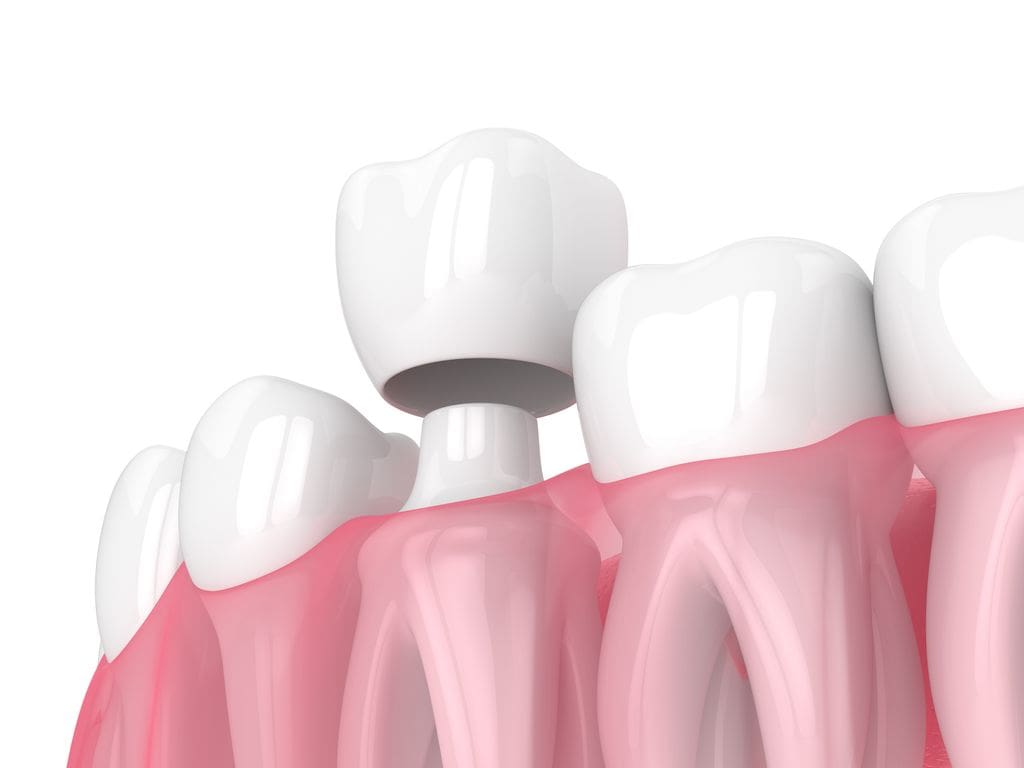
A dental crown is a protective cap that covers the entire visible portion of a damaged tooth. It restores the tooth’s shape, strength, and appearance. For Chicago patients dealing with weather-related dental damage, it’s often the best solution.
Here’s when Dr. Chaiken typically recommends a crown:
- Cracked Teeth: If a tooth has cracked from cold-weather contraction or from grinding, a crown holds it together. Without a crown, the crack can spread and eventually split the tooth. A split tooth usually can’t be saved.
- Failed Fillings: When a filling loosens and decay gets underneath, a crown can restore the tooth. This is often a better long-term solution than replacing the filling again.
- Worn Teeth: Years of grinding and acid erosion can wear teeth down to nubs. Crowns rebuild them to their proper height and shape.
- After Root Canal Treatment: Root canal-treated teeth become brittle and prone to fracture. A crown protects them and lets you chew normally.
- Severe Sensitivity: If a tooth is so sensitive that you can’t eat or drink comfortably, a crown can seal it and dramatically reduce sensitivity.
Dr. Chaiken has placed thousands of crowns over his 30+ years in practice. He’s meticulous about fit, color, and bite because he knows a crown that doesn’t feel right won’t last. He’ll explain the pros and cons of different crown materials during your consultation, and he’ll help you choose the option that fits your situation and budget.
How to Protect Your Teeth From Chicago Weather
You can’t change the weather, but you can reduce the damage it does to your teeth. Follow these tips:
- Don’t chew ice. This is the single biggest thing you can do for your teeth in the summer. If you need to cool down, drink cold water. Don’t chew the ice.
- Breathe through your nose in winter. Mouth breathing exposes your teeth to cold air directly. Nose breathing warms the air before it reaches your teeth.
- Wear a scarf or face covering. It sounds simple, but covering your mouth and nose in extreme cold reduces the temperature swing your teeth experience.
- Stay hydrated. Dry mouth makes teeth more vulnerable to damage. Drink water throughout the day, especially in winter when indoor heating dries out your mouth.
- Use sensitivity toothpaste. If you have mild sensitivity, a toothpaste designed for sensitive teeth can help. It won’t fix a cracked tooth, but it can reduce discomfort from temperature changes.
- Wear a night guard if you grind. Grinding weakens teeth and makes them more vulnerable to weather-related damage. A custom night guard protects your teeth while you sleep.
- Get regular checkups. Small cracks and early decay are easy to fix. Big cracks and deep decay are not. Regular checkups catch problems before they become expensive.
When to Call Us
If you notice a sudden sensitivity to cold or hot, a sharp pain when you bite down, or a tooth that feels loose or wobbly, call us. These are signs of a problem that will likely get worse without treatment.
If a crown comes loose or falls off, save it and call us immediately. Don’t try to glue it back on yourself. In many cases, we can re-cement the same crown if it’s intact.
Our Chicago office is at 5953 N Milwaukee Avenue in Jefferson Park. Our Skokie office is at 4905 Old Orchard Shopping Center, near the Evanston border. Both locations see patients from Edison Park, Norwood Park, Forest Glen, Park Ridge, Niles, Morton Grove, Glenview, and Wilmette.
Call our Chicago office at 708-274-4192 or our Skokie office at 224-298-7907 to schedule an appointment. You can also request an appointment online.
Chicago weather isn’t going anywhere, but with the right care, your teeth can handle it just fine.