
Are you tired of the constant discomfort caused by TMJ disorder? Your search for effective TMJ treatment ends here. At North Dental Professionals, we provide TMJ treatment in Chicago and Skokie, Illinois.
TMJ therapy is part of our restorative dentistry services. We want to restore your oral function and give you the gift of a healthy mouth and radiant smile. Don’t let TMJ hold you back any longer. Call us today to schedule a consultation with Chicago dentist Dr. Paul Chaiken.
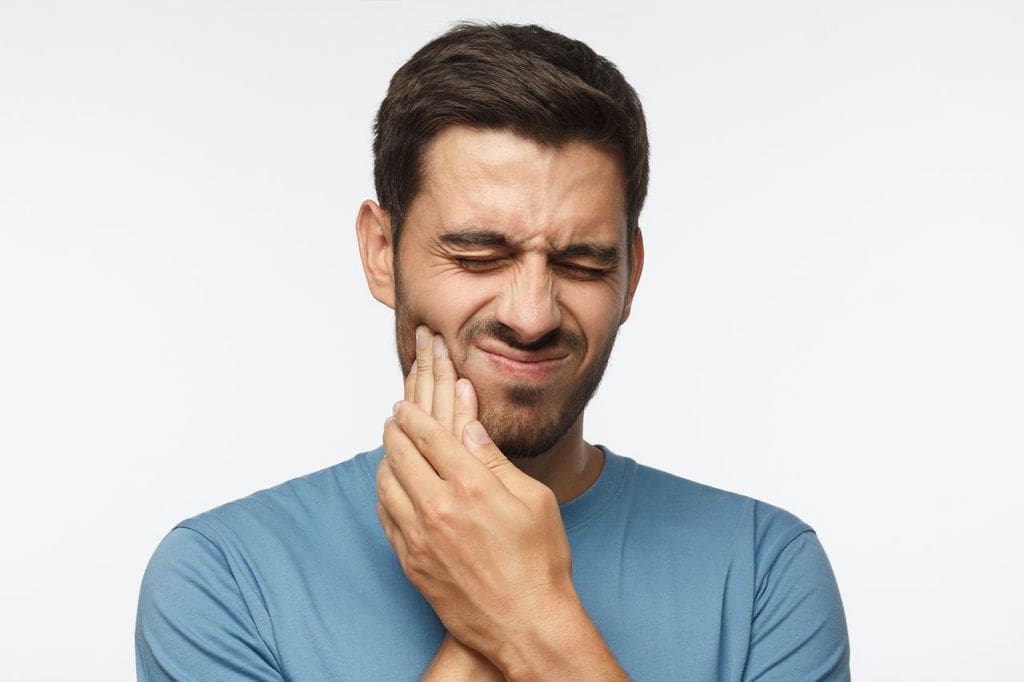
What is TMJ?
TMJ stands for temporomandibular joint, which is the hinge connecting your jawbone to your skull. You have one of these joints on each side of your face, just in front of your ears. These joints work like sliding hinges, allowing you to open and close your mouth for talking, chewing, and yawning.
When people talk about “TMJ,” they usually refer to problems with this joint and the surrounding muscles. These issues are called temporomandibular disorders (TMD), though most people say “TMJ.”
You shouldn’t ignore the telltale signs of a TMJ disorder. Common Signs of TMJ include:
- Frequent jaw or facial pain
- Teeth clenching and grinding
- Clicking or popping sounds when opening and closing your mouth
- Restricted mouth movements
- A locked or stuck jaw
- Pain when biting and chewing
- Headaches
- Neck pain
- Earaches
Call our office if you notice symptoms of TMJ. We will measure your bite and use imaging to find the best TMJ treatment in our Chicago, IL, office.
What Causes TMJ Disorders?
Multiple factors can cause TMJ. You may be more at risk of TMJ issues if you’re stressed or hold tension in your upper body. Other factors can also increase your risk:
- Genetics: Some people are born with jaw structures that make them more likely to develop TMJ issues later in life. If your parents or close relatives have had jaw problems, you might be more at risk, too.
- Arthritis: Another common cause of TMJ pain. Just like arthritis can affect knees or fingers, it can also damage the jaw joint. This wear-and-tear on the joint can make everyday actions like chewing food or even talking painful and difficult.
- Injuries: Injuries to the jaw area are a frequent cause of TMJ disorders. Accidents like sports injuries, car crashes, or even a hard hit to the face can damage the delicate jaw joint.
- Teeth Clenching: Many people also develop TMJ problems from bruxism, which is the medical term for teeth grinding or jaw clenching. This often happens at night while sleeping, so many people don’t realize they’re doing it until they start experiencing jaw pain.
- Stress: Stress plays a big role in TMJ disorders, too. When people feel stressed or anxious, they often tighten their jaw muscles or grind their teeth without noticing. Over weeks and months, this constant tension can lead to serious jaw pain and joint problems. The more stressed a person feels, the worse their TMJ symptoms may become.
TMJ & Sleep Problems
The pain and discomfort from jaw joint issues often make it hard to fall asleep or stay asleep through the night. It can be hard to find a comfortable sleeping position when your jaw hurts or feels tight.
Many people with TMJ disorders also grind their teeth at night without realizing it. Teeth grinding not only worsens jaw pain but can also lead to frequent nighttime awakenings. The muscle tension from clenching your jaw all night may leave you feeling exhausted in the morning.
TMJ-related sleep issues sometimes create a cycle where poor sleep leads to more stress. Some people with severe TMJ disorders may even develop sleep apnea.
We may offer custom TMJ night guards to help patients with TMD who have a hard time sleeping.
Patient Review
Your Personalized Path to Relief
Dr. Paul Chaiken will pinpoint the cause of your TMJ disorder and recommend a tailored treatment. The treatment process begins with these steps:
- Consultation and Examination: Dr. Paul Chaiken starts with a thorough consultation. He will ask about your medical history and symptoms. A physical examination of your jaw and bite will follow. This helps identify any signs of TMJ.
- Imaging Tests: You may need imaging tests to get a detailed view of your jaw. Digital X-rays provide a clear picture of the jawbone. An MRI or CT scan can offer more detailed information. These tests help confirm the diagnosis.
- Bite Analysis: Another step in diagnosing TMJ. Dr. Chaiken will evaluate how your teeth come together when you bite. He uses articulating paper to see which teeth exert more pressure than others. The colored paper can reveal misalignments or other issues that can contribute to your TMJ symptoms.
TMJ Treatment Options at Our Offices
Dr. Chaiken and his team provide several options for TMJ treatment in Chicago and Skokie, IL. Our comprehensive and conservative dental treatments meet each patient’s needs. After your consultation, you and Dr. Chaiken can begin the best treatment for you.
Non-Invasive Treatments
Lifestyle changes, such as eating soft foods and avoiding gum, can help. We may recommend avoiding hard and crunchy foods as you begin treatment. Soft foods will give your teeth and jaw a break.
You can also benefit from physical therapy. Physical therapy exercises can strengthen the jaw muscles and improve function. These exercises can also improve your posture and keep your muscles relaxed. Stress management techniques can also reduce muscle tension.
Dental Treatments
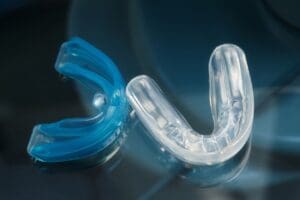 Some patients benefit from dental treatments. Custom mouthguards can prevent teeth grinding at night. We create TMJ night guards in our office. First, we will take dental impressions. We send these impressions to a local dental lab. Once your night guard is complete, we will make adjustments to ensure it lines up with your bite.
Orthodontic treatment can also correct bite issues. However, we only recommend braces or Invisalign if your crooked or misaligned teeth contribute to TMJ symptoms.
Medications
Medications can relieve pain and inflammation associated with TMJ. Over-the-counter pain relievers are often effective. Taking muscle relaxants or anti-inflammatory drugs for a short time can ensure you stay relaxed before sleep. Medication is a great option if you suffer from nighttime teeth grinding.
Why Choose Dr. Paul Chaiken for TMJ Treatment?
TMJ disorders are complex, affecting not just your jaw but your overall comfort and quality of life. Dr. Paul Chaiken provides a uniquely qualified and comprehensive approach to finding lasting relief.
Unlike a one-size-fits-all solution, Dr. Chaiken’s treatment is rooted in his advanced, dedicated training in TMJ therapy. More importantly, as an active member of the Chicago Academy of Interdisciplinary Dentofacial Therapy, he expertly diagnoses the interplay between your jaw joint, muscles, bite, and teeth. This evidence-based, whole-patient perspective provides the best and most effective long-term results.
With over 30 years of experience and fellowships from the American College of Dentists and Academy of General Dentistry, Dr. Chaiken brings deep clinical insight. He listens to understand your specific symptoms, from pain and headaches to clicking and sleep disruption, to create a personalized plan.
His expertise also integrates seamlessly with other services you may need, such as custom oral appliances, cosmetic dentistry, or Invisalign®. These aspects of your oral health will work in harmony after treatment.
Choose Dr. Chaiken for a sophisticated, compassionate approach to TMJ treatment that prioritizes your overall well-being and comfort.
Contact One of Our Chicago Offices Today
Don’t let TMJ disorder dictate your life. Take charge of your oral health and well-being by reaching out to us today. Call our Chicago office at 708-274-4192. You can also get TMJ treatment in our Skokie office at 224-267-8083. For years, we’ve been the trusted dental office for the greater Chicago area, caring for smiles in neighborhoods across our community.