
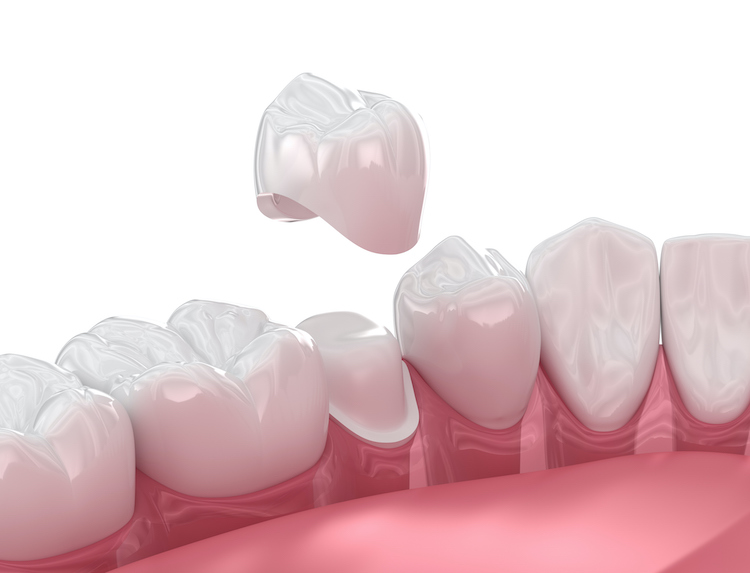
Dental crowns are one of the most versatile and reliable restorative treatments available in modern dentistry. They help protect weakened teeth, restore damaged ones, and could improve both function and appearance. Although they are common, many people are unsure when a crown is the right solution. Understanding the situations that call for a dental crown can help you make an informed decision about your oral health.
When a Tooth Is Severely Decayed
Tooth decay doesn’t always require a crown, but when a cavity becomes too large for a filling to properly restore the tooth, a crown is often the best option. Large fillings can weaken tooth structure and increase the likelihood of cracks or fractures. A crown provides full coverage, sealing the tooth from further decay and restoring its strength so you could bite and chew comfortably again. Dentists typically recommend crowns when decay has compromised a significant portion of the enamel.
After a Root Canal Treatment
Root canal therapy removes infected tissue from inside a tooth, which saves the tooth from extraction but leaves it more fragile than before. Because the inner pulp is removed, the remaining structure can become brittle over time. A crown protects the treated tooth from breaking, especially when it is a molar or premolar that absorbs heavy chewing forces. Crowning a tooth after a root canal is one of the most effective ways to ensure long-term durability and prevent future complications.
To Restore Broken or Fractured Teeth
Accidents, sports injuries, and biting down on hard foods can lead to fractured or chipped teeth. Some minor chips can be repaired with bonding, but larger fractures require a stronger, more substantial restoration. A crown encases the entire tooth, keeping the remaining structure together. This is especially important if the break affects the tooth’s ability to withstand normal chewing pressure.
When Teeth Are Worn Down
Teeth can become worn for several reasons, including chronic teeth grinding, acid erosion, or habits like chewing ice. Excessive wear can cause teeth to become shorter, uneven, or sensitive. Over time, worn teeth may begin to affect your bite and even the appearance of your smile. Crowns can rebuild the shape and length of worn-down teeth, restore a proper bite relationship, and protect the underlying tooth from additional wear.
To Support a Dental Bridge
A dental bridge replaces one or more missing teeth, and the teeth on each side of the gap must be strong enough to support the restoration. Crowns are placed over these supporting teeth to anchor the bridge securely. These crowns help distribute the biting forces evenly and keep the bridge stable, allowing for normal chewing and speaking.
To Improve Cosmetic Appearance
Although crowns are primarily used for restorative purposes, they could also enhance the appearance of teeth with significant cosmetic issues. Teeth that are misshapen, severely discolored, or poorly aligned in a way other treatments cannot adequately correct may benefit from dental crowns. Because crowns fully cover the visible portion of the tooth, they could provide a uniform, natural-looking improvement to your smile.
When a Dental Implant Needs a Tooth Replacement
Dental implants require a crown as the final stage of treatment. After the implant post integrates with the jawbone, a custom crown is attached to serve as the visible tooth. These crowns are carefully designed to match the color and shape of your natural teeth, completing the restoration and allowing you to eat, speak, and smile confidently.
Dental Crowns in Chicago, IL
At North Dental Professionals, we are dedicated to helping you preserve your oral health. If you have decay or damage, a dental crown could protect your natural tooth structure and improve your bite. Contact our office today to schedule a consultation and learn more about your restorative dentistry treatment options.